
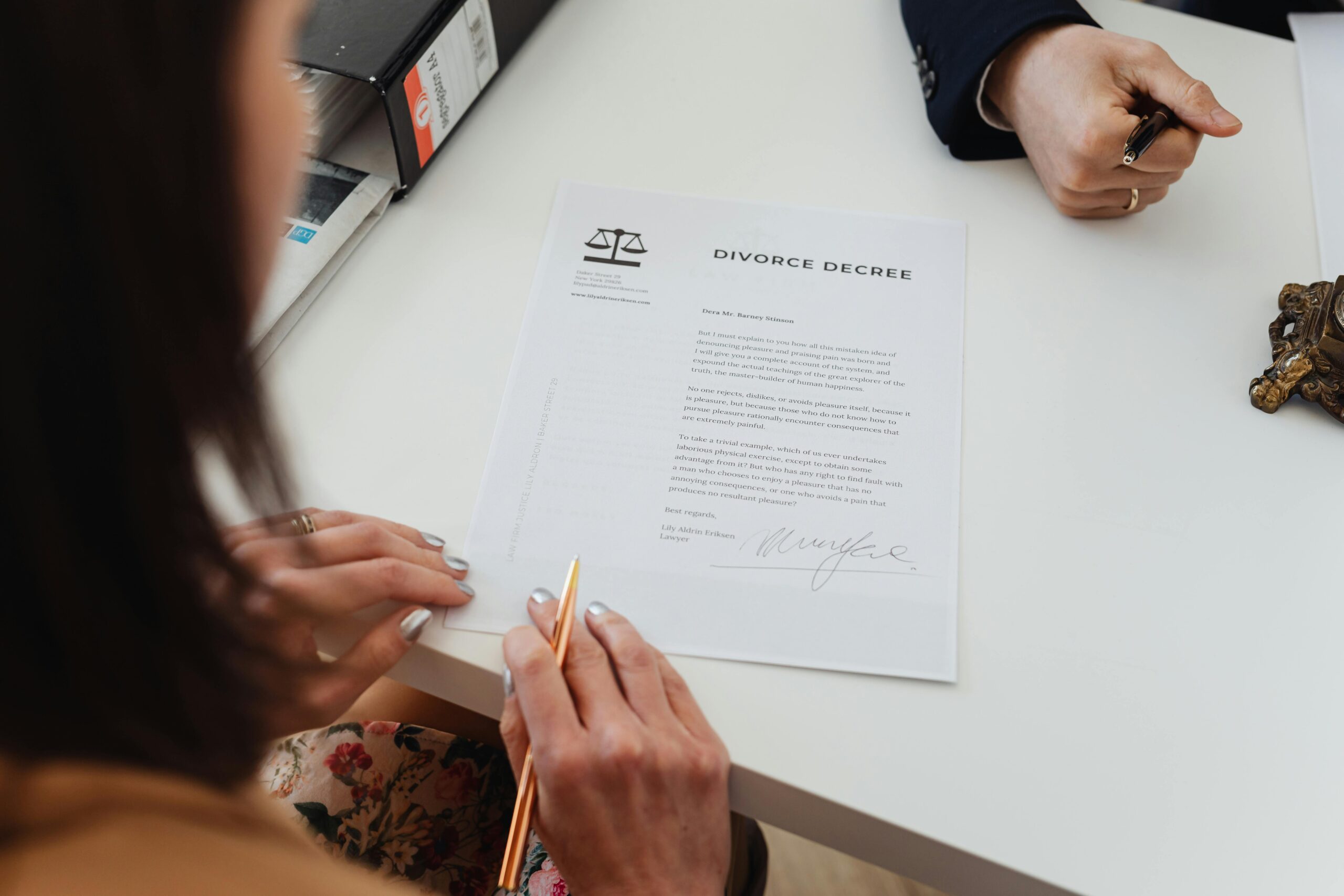
Making the decision to end your marriage is difficult on its own, but it can be even more overwhelming when your spouse does not cooperate. Many people worry that a divorce can’t move forward without both spouses signing the paperwork. However, under New Jersey law, one party cannot prevent a divorce by refusing to sign. Understanding your legal rights and options when your spouse refuses to sign the divorce papers is imperative to protecting yourself and your future. Continue reading for more information and work with an experienced Morris County, NJ divorce lawyer to obtain skilled representation.
Can My Spouse Stop the Divorce Process By Refusing to Sign?
No, New Jersey law does not require both spouses to agree to get divorced. Although it may frustrate you, your spouse’s refusal to sign will not prevent the process from moving forward. As long as you want the divorce and file the proper paperwork, the case can go on even without the other party’s cooperation.
Why Do Spouses Refuse to Sign?
There is no one reason why all uncooperative spouses refuse to sign the divorce papers. They may be in denial about the situation, be angry and want to deprive their spouse of the divorce they want, have a fear of the financial consequences of the separation, or believe that refusing will delay or stop the process. Some spouses may hope to gain leverage when it comes to property division or child custody. Whether the refusal is manipulative, emotional, or a strategic tactic, it is important to understand how you can proceed.
What Happens if My Spouse Refuses to Sign Divorce Papers in NJ?
New Jersey allows no-fault divorce based on irreconcilable differences. This means that neither spouse has to prove wrongdoing, and the marriage has deteriorated past a point where reconciliation is possible. In a no-fault divorce, only one spouse needs to state that the marriage has broken down and cannot be repaired.
If your spouse refuses to sign the divorce papers, you can be granted a default divorce. The law states that a spouse who is served notice of a divorce has 35 days to file a formal response, either agreeing to or contesting the terms, or filing a counterclaim. If they fail to meet this deadline, you can ask the court to proceed without them and grant the divorce based on the information and requests you have provided.
Judges can make decisions on property division, child custody, and financial support obligations based on the evidence presented, regardless of whether your spouse has responded or signed the papers. While your spouse’s refusal to cooperate may feel like a major block in the road, it will not stop you from obtaining a divorce. For more information and to protect your interests, reach out to an experienced attorney today.